
When is mechanical engraving the most cost-effective solution?
Discover the key factors for a profitable investment when choosing a mechanical solution.
In identification, customization, signage, and related markets, competitiveness is growing. Buyers are demanding, margins are tighter, and expectations on product quality are high. In this context, the choice of an engraving technology directly impacts your profitability.
Mechanical engraving is sometimes perceived as slower than laser engraving, or simply as a legacy method. Yet in many sectors and practical situations, it proves to be a highly profitable long-term investment. Discover when mechanical engraving is a cost-effective solution in this article.

Mechanical engraving
Why is it a profitable choice?
The core advantage of mechanical engraving lies in its permanence. By creating deep physical relief, it produces a high-end finish that not only stands the test of time but also generates a higher value compared to surface-level marking, directly justifying higher selling prices.
This profitability is further enhanced by the machine's extreme versatility. Mechanical engraving is the preferred choice for handling a wide range of applications and materials, particularly those that do not react well to laser processing. This technical flexibility opens up more market opportunities. Furthermore, the intuitive setup and operation allow for immediate hands-on use, ensuring production starts without delay.
From an operational standpoint, this efficiency peaks when the machine runs unattended or in “hidden time”, freeing the operator to focus on other tasks. Combined with low maintenance costs and longevity, a mechanical engraving machine spreads the initial investment over a long service life, ensuring a solid and sustainable return on investment (ROI).
Why does mechanical engraving deliver strong profitability? 8 Key factors
1. SAFETY
A mechanical engraving machine can be used without continuous human monitoring as the cutter works within an enclosed or contained area with no risk of fire.
2. HIDDEN TIME
One economic lever in engraving is hidden time. Because mechanical engraving is inherently safe, the operator can walk away once the job is running and perform another task at the same time. This ability to run unattended production is a concrete productivity gain that accumulates over thousands of hours of operation.
3. HIGH PRODUCTION VOLUME
The more you produce, the more relevant mechanical engraving becomes. Using large engraving tables for batch production reduces unit costs. The machine processes sequences of pieces without human intervention, making it ideal for medium-to-high volume runs.
4. VARIETY OF MATERIALS
Mechanical engraving stands out for its ability to handle a wide range of materials. This versatility directly expands your addressable market:
- Plastic (PVC and ABS): they are the standard materials for signage. Mechanical engraving is the safest and most cost-effective way to process them, avoiding any risk of toxic gas emissions while ensuring a clean, high-quality result.
- Metals and precious metals: in jewelry and luxury goods, mechanical engraving is chosen for its authentic, high-end finish. By physically carving the material, it creates a traditional hand-engraved look, ideal for elegant scripts and cursive fonts. It can also engrave a large range of metals for industrial or signage needs (stainless steel, aluminum…)
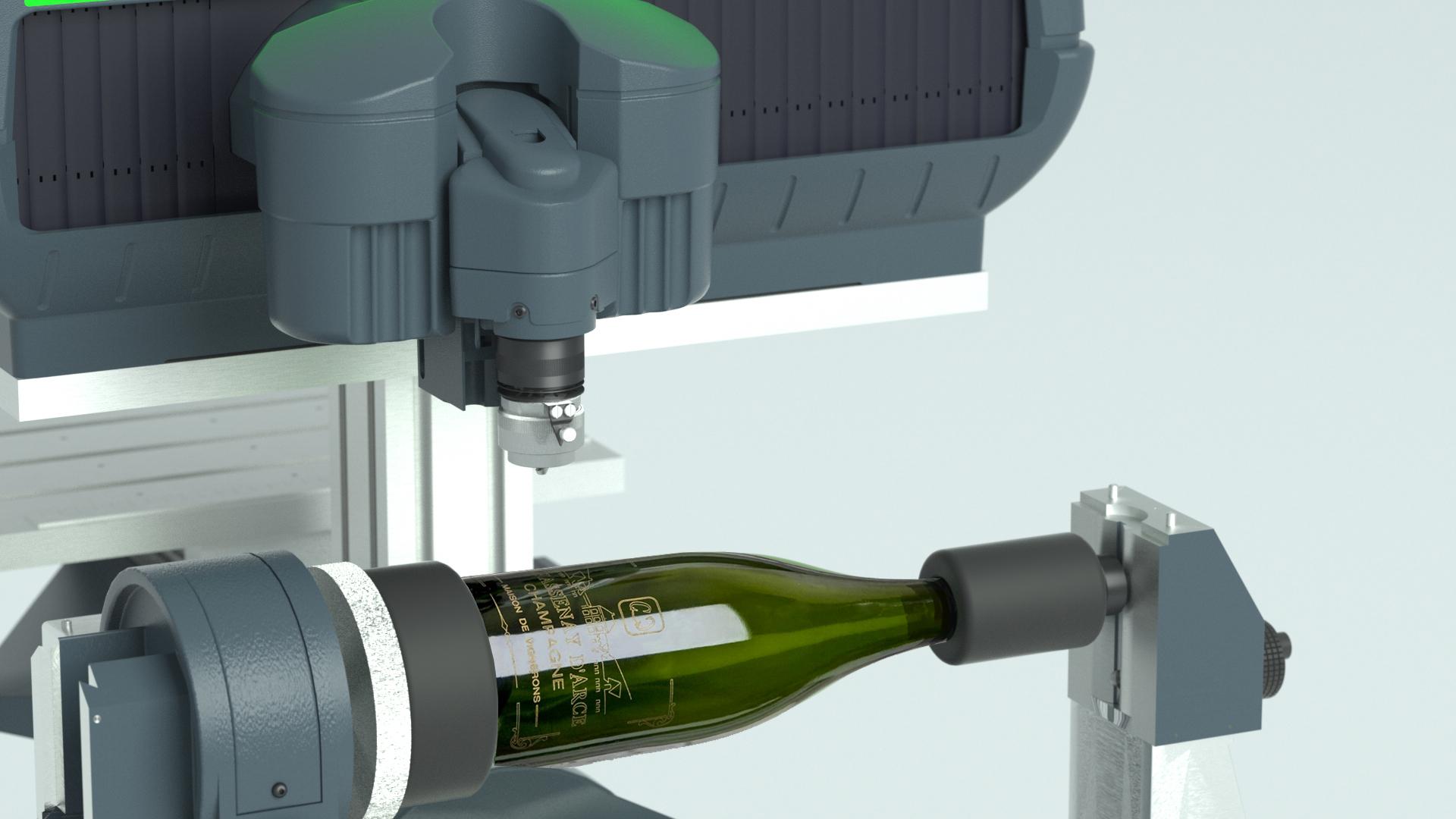
- Glass and crystal: using a diamond tip allows for delicate, precise engraving. The process produces a sophisticated frosted finish and a premium feel, well-suited to high-end customization.
5. SUSTAINABILITY AND MACHINE LONGEVITY
Mechanical engraving machines are robust solutions and built to last. They can operate for many years with consistent accuracy, directly contributing to a high return on investment.
The marks they produce are equally durable: indelible by nature and resistant to abrasive products, UV rays, and harsh industrial environments.
6. MAINTENANCE AND RUNNING COSTS
Milling cutters and diamond tips can wear out over time, but replacement costs remain low. Maintenance contracts are straightforward, typically covering cleaning and lubrication, with no complex servicing requirements.
7. ENERGY CONSUMPTION
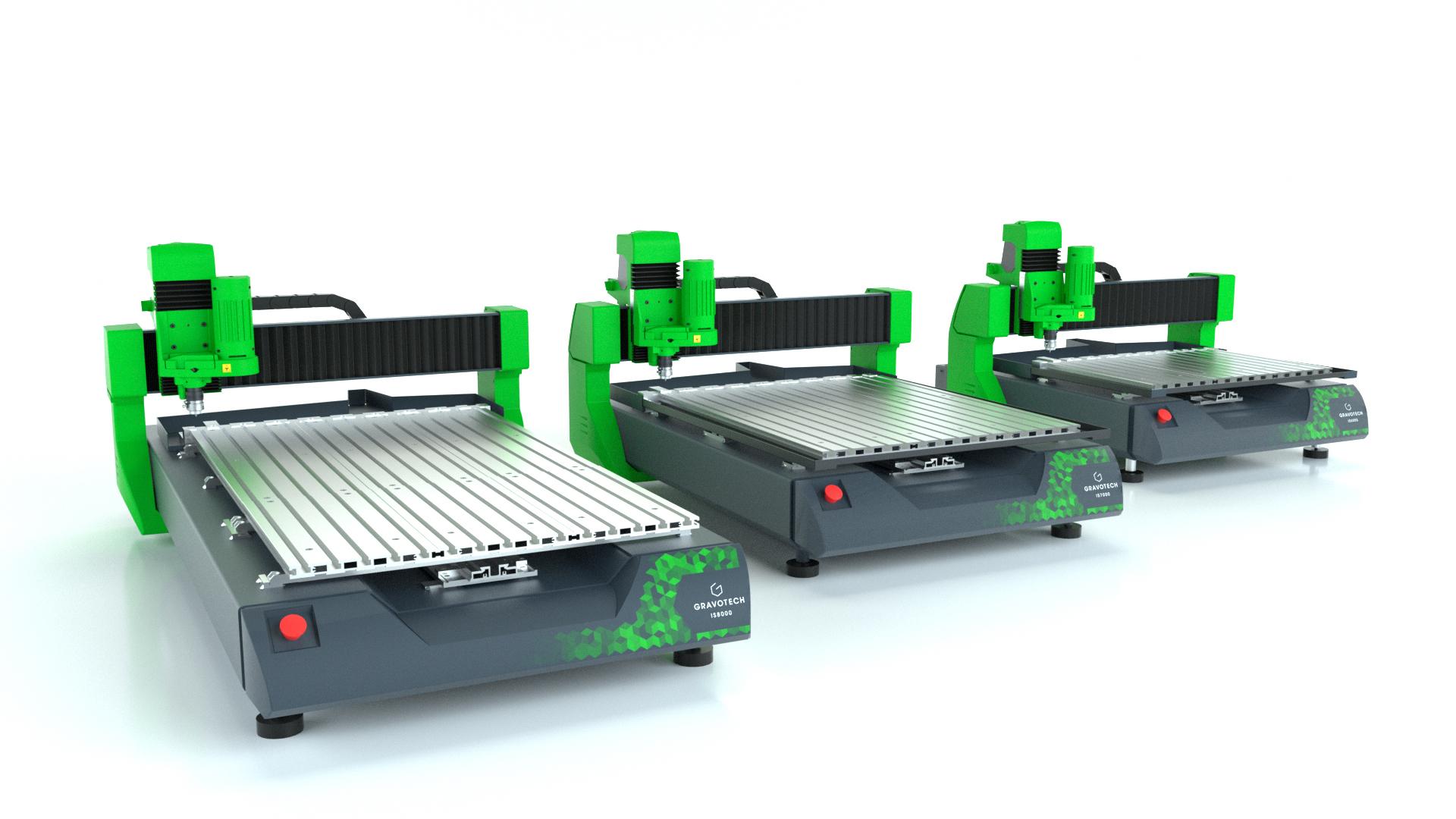
The energy balance of mechanical engraving is notably favorable. An ISx000 table consumes around 500 W during operation. Laser systems, by contrast, require additional electricity-intensive infrastructure for extraction and cooling, which increases their actual running cost per hour.
8. LONG-TERM ROI
Mechanical engraving machines have a long service life, which amortizes the initial investment over a longer period than most alternatives. A compact machine such as the M20 X is often less expensive to purchase than a laser of similar working size.
Which applications make mechanical engraving the most profitable choice?
Luxury and jewelry
The luxury and jewelry sector favors mechanical engraving for its authentic, almost hand-engraved finish on precious metals.
Beyond aesthetics, the durability of the mark is a key argument: the engraving withstands daily wear, such as friction on rings or bracelets, for example.

Industrial signage
These machines handle large orders of industrial identification tags or directional signage with ease.
Automated batch processing ensures consistent depth and quality across every plate, maximizing overall shop productivity.

Identification and traceability
Mechanical marking is the ideal solution for asset tagging & serial numbers, plates, and front panels, or batch traceability.
It allows the creation of deep marks on stainless steel or aluminum that remain readable even after heavy painting, coating, or years of exposure to harsh chemicals, and permits safety and long-term compliance.
It also enables reliable direct marking of mechanical parts that must withstand extreme temperatures or autoclaving processes.

High-end consumer goods
Knives, pens, cosmetic accessories… Those premium goods benefit from the tactile quality that only mechanical engraving delivers.
A physically carved inscription adds depth, weight, and perceived value that surface treatments cannot match.
For these products, the engraving method itself becomes a part of the product story, justifying a higher retail price and improving margins.

Mechanical engraving is the most cost-effective solution when long-term value is prioritized alongside production output. Its profitability stems from a combination of factors: machine lifespan, minimal maintenance, and low energy consumption, all reinforced by the ability to run unattended batch production.
Whether you choose a compact mechanical engraving machine like the M20 X or a large-format system like the ISx000, the best choice depends on your specific application and volume requirements.
Want to find out which mechanical engraving solution is right for your business?